

The rapid aging of the global population has brought a significant shift to the field of medicine. As our loved ones live longer, the likelihood of them requiring surgical intervention for conditions like gallstones, hernias, or digestive disorders increases. However, for many families in Indore, a daunting question persists: “Is my parent or grandparent too old to go under the knife?”

 Expert Opinion via WhatsApp
Traditionally, surgery on patients in their 70s, 80s, or 90s was approached with extreme caution due to the perceived risks of “open” procedures. Today, however, the paradigm has shifted. Laparoscopic surgery , also known as minimally invasive surgery (MIS), has revolutionized geriatric care by making procedures once considered “high-risk” significantly safer and more manageable for the elderly.
According to Dr. Ashutosh Soni , a Senior Gastrointestinal surgeon based in Indore, age is no longer a primary contraindication for surgery. Modern technology, combined with specialized anesthetic techniques, allows seniors to receive the same life-improving treatments as younger patients. This guide explores why laparoscopy is often the preferred choice for elderly patients and what you need to know if your family is considering this path.
The Evolution of Geriatric Surgery
In the past, “open surgery” was the standard. This involved large incisions that caused significant trauma to the abdominal wall, leading to intense post-operative pain and long recovery periods. For a senior citizen, these factors often led to a cascade of complications, such as pneumonia due to an inability to breathe deeply after surgery, or blood clots due to prolonged bed rest.
The landscape changed with the introduction of the laparoscope—a thin tube with a high-intensity light and a high-resolution camera. Instead of a 6-to-10-inch incision, surgeons now perform complex operations through tiny “keyhole” punctures.
This evolution is particularly vital for the geriatric population. Modern medicine now operates under the philosophy that
Why Laparoscopic Surgery is Often Safer than Open Surgery for Seniors
When treating an aging body, the goal is to minimize “surgical stress.” The more stress a body undergoes, the harder it is for the immune system and vital organs to bounce back. Laparoscopy excels here for several reasons:
Reduced Physical Trauma
Small incisions mean less damage to muscle tissue and skin. For seniors, whose skin may be thinner and whose muscles may be weaker, this reduction in physical trauma is a game-changer. It results in significantly less systemic inflammation.
Lower Risk of Infection
Seniors often have slightly compromised immune systems, making them more susceptible to Surgical Site Infections (SSIs). Because laparoscopic incisions are tiny and the internal organs are not exposed to the open air for long periods, the risk of infection is drastically reduced.
Blood Loss Minimization
Preserving blood volume is critical in elderly patients, especially those with underlying heart conditions. The precision of laparoscopic instruments allows surgeons to control bleeding with extreme accuracy, often resulting in negligible blood loss compared to traditional methods.
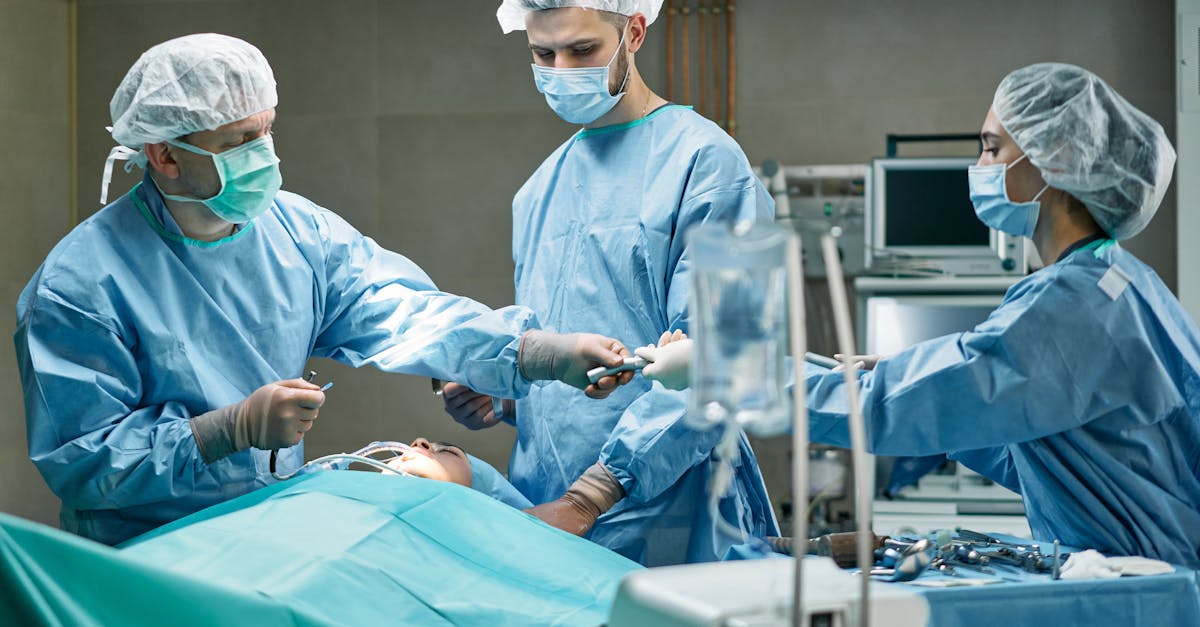
Respiratory and Mobility Benefits
One of the greatest risks for a senior after open surgery is staying in bed too long, which can lead to lung infections (pneumonia) or deep vein thrombosis (DVT). Because laparoscopy causes less pain, patients can usually sit up, walk, and breathe deeply within hours of the procedure.
| Feature | Laparoscopic Surgery | Traditional Open Surgery |
|---|---|---|
| Incision Size | 0.5 cm to 1 cm (Keyholes) | 10 cm to 20 cm |
| Hospital Stay | 1–2 days | 5–7 days |
| Pain Levels | Minimal; managed with mild meds | High; often requires heavy opioids |
| Risk of Hernia | Very Low | Higher due to large muscle cuts |
| Recovery Time | 1–2 weeks | 6–8 weeks |
Common Laparoscopic Procedures for the Elderly
While laparoscopy can be used for many conditions, certain procedures are particularly common among the elderly population in Indore:
- Laparoscopic Cholecystectomy: This is the gold standard for removing the gallbladder. Gallstones are incredibly common in seniors and can lead to dangerous infections if left untreated.
- Hernia Repair: As abdominal walls weaken with age, hernias become more common. Laparoscopic repair uses mesh to reinforce the area with minimal discomfort.
- Colorectal Surgery: For seniors facing diverticulitis or colorectal tumors, minimally invasive techniques allow for the removal of diseased segments of the bowel without the need for a massive abdominal opening.
- Diagnostic Laparoscopy: In cases where CT scans or MRIs are inconclusive, a quick laparoscopic look allows surgeons to diagnose abdominal pain or “mysterious” masses with minimal risk.
Evaluating the Risks: It’s Not Just About Age
While the surgical method is safer, we must be honest about the risks. The primary concern in geriatric surgery isn’t the “cutting” part—it’s how the body handles the anesthesia and the recovery process.
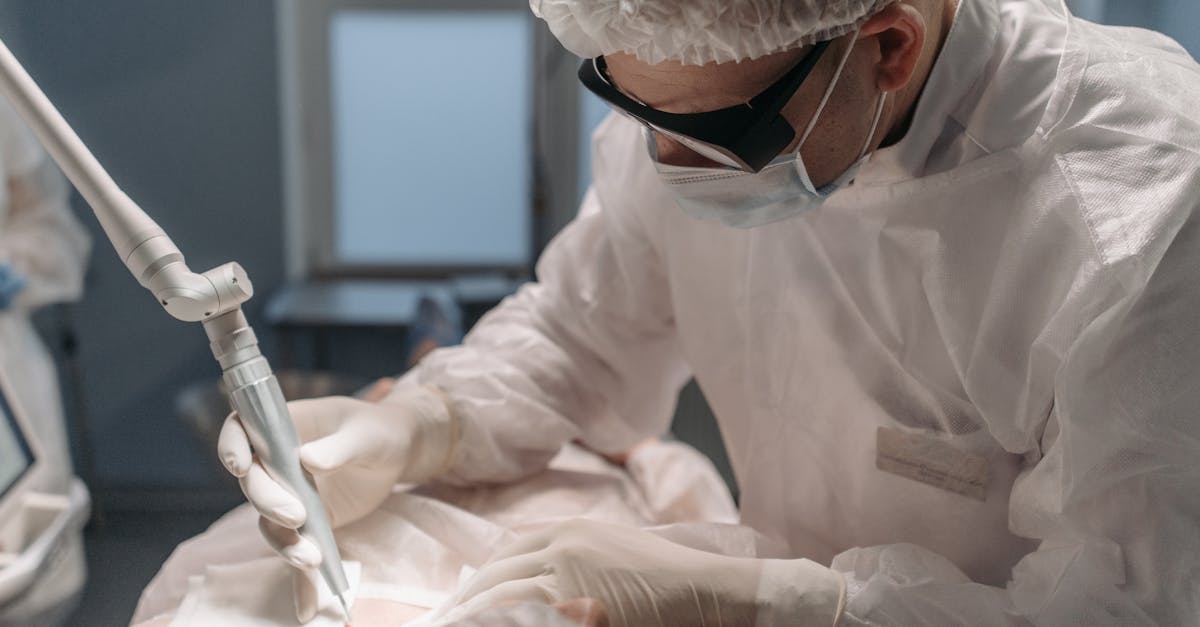
2. Managing Comorbidities: Stabilizing blood sugar levels in diabetics and managing blood pressure in hypertensive patients before they enter the OR.
3. Nutritional Support: Addressing any protein deficiencies to ensure the body has the building blocks it needs to heal.
Modern anesthesiology has also advanced. Anesthesiologists now use short-acting agents that wear off quickly, reducing the “brain fog” or postoperative delirium that seniors sometimes experience after surgery.
The Recovery Journey for Senior Patients
The recovery phase for a senior is a team effort involving the surgeon, the nursing staff, and the family.
The First 24 Hours:
The priority is movement. “Early mobilization” is the mantra. Even moving from the bed to a chair helps prevent blood clots and keeps the lungs clear.
Pain Management:
In the elderly, we try to avoid heavy narcotic painkillers (opioids) because they can cause confusion, constipation, and falls. Laparoscopic patients usually manage well with simple intravenous or oral paracetamol and anti-inflammatories.
Nutrition and Hydration:
Laparoscopy allows the bowels to “wake up” much faster than open surgery. Most seniors can begin sipping water or clear liquids within hours, ensuring they stay hydrated and their electrolytes remain balanced.
- Medical Clearance: Have you seen the cardiologist and pulmonologist?
- Medication Review: Have you discussed blood thinners (like Aspirin or Clopidogrel) with the surgeon? These usually need to be stopped a few days prior.
- Cognitive Assessment: Does the medical team have a baseline of the patient’s mental state?
- Home Preparation: Is there a ground-floor room available? Are there trip hazards (rugs, cords) that need to be removed?
- Facility Choice: Does the hospital in Indore have an Intensive Care Unit (ICU) and 24/7 emergency support?
Why Choose Indore for Laparoscopic Procedures?
Indore has rapidly emerged as the healthcare capital of Central India. The city boasts medical facilities that rival those in Tier-1 metros, equipped with 4K and 3D laparoscopic towers that provide surgeons with unprecedented clarity.
Choosing a local expert like Dr. Ashutosh Soni offers the dual benefit of advanced technical skill and the convenience of being close to home. For an elderly patient, the stress of traveling to another city can be detrimental. Having access to high-end gastrointestinal care within Indore ensures that follow-up visits are easy and emergency help is always nearby.
| Procedure | Typical Hospital Stay | Time to Full Activity |
|---|---|---|
| Gallbladder | 24–48 Hours | 7–10 Days |
| Simple Hernia | 24 Hours | 1 Week |
| Complex Hernia | 2–3 Days | 3–4 Weeks |
| Bowel Resection | 4–6 Days | 4–6 Weeks |
Frequently Asked Questions (FAQs)
Q1: Is there an upper age limit for laparoscopic surgery?
No. There is no “cutoff” age. Surgeons evaluate the patient’s heart, lung, and kidney function rather than the date on their birth certificate. Many patients in their 90s undergo successful laparoscopic procedures.
Q2: How long does the anesthesia take to wear off in older adults?
While the primary effects wear off within an hour, seniors may feel slightly groggy or “not themselves” for 24 to 48 hours. Modern, short-acting anesthetic agents have made this much less common than in the past.
Q3: Will the patient need a long period of bed rest?
Absolutely not. In fact, bed rest is discouraged. The goal of laparoscopy is to get the patient walking as soon as possible—often on the same evening of the surgery.
Q4: How do I know if a laparoscopic surgeon in Indore is qualified for geriatric cases?
Look for a “Senior Gastrointestinal surgeon” with extensive experience in minimally invasive techniques. Ask about their complication rates in patients over 70 and whether the hospital has a dedicated geriatric support team.
Q5: What are the signs of complications to watch for at home?
Contact your surgeon if the patient develops a high fever, persistent vomiting, redness/pus at the tiny incision sites, or sudden shortness of breath.
Conclusion
Laparoscopic surgery is not just a “possible” option for the elderly; in the hands of an experienced team, it is frequently the safest and most effective option. By reducing pain, shortening hospital stays, and minimizing the physical toll on the body, laparoscopy allows our seniors to return to their quality of life faster than ever before.
Success in geriatric surgery depends on a personalized approach—one that considers the patient’s entire medical history, not just the surgical issue at hand. If your loved one is suffering from a condition that requires surgery, do not let age be the barrier to their relief.
Fantastic article that punches way above its
weight. The site is genuinely one of a kind.