

The landscape of modern medicine has undergone a radical transformation over the last few decades. One of the most significant leaps forward has been the shift from traditional “open” surgery characterized by large incisions and long hospital stays to minimally invasive surgery (MIS) . This evolution has changed not just how surgeons operate, but more importantly, how patients heal.

 Expert Opinion via WhatsApp
The primary question every patient asks during a pre-operative consultation is, “How soon can I get back to my normal life?” Whether you are a busy professional, a parent, or an active senior, the desire to return to routine is universal. Understanding the recovery timeline is essential for planning your life and managing your expectations.
This article will walk you through the physiological stages of healing, the specific timelines for common procedures, and the expert tips you need to ensure a smooth, complication-free journey back to health.
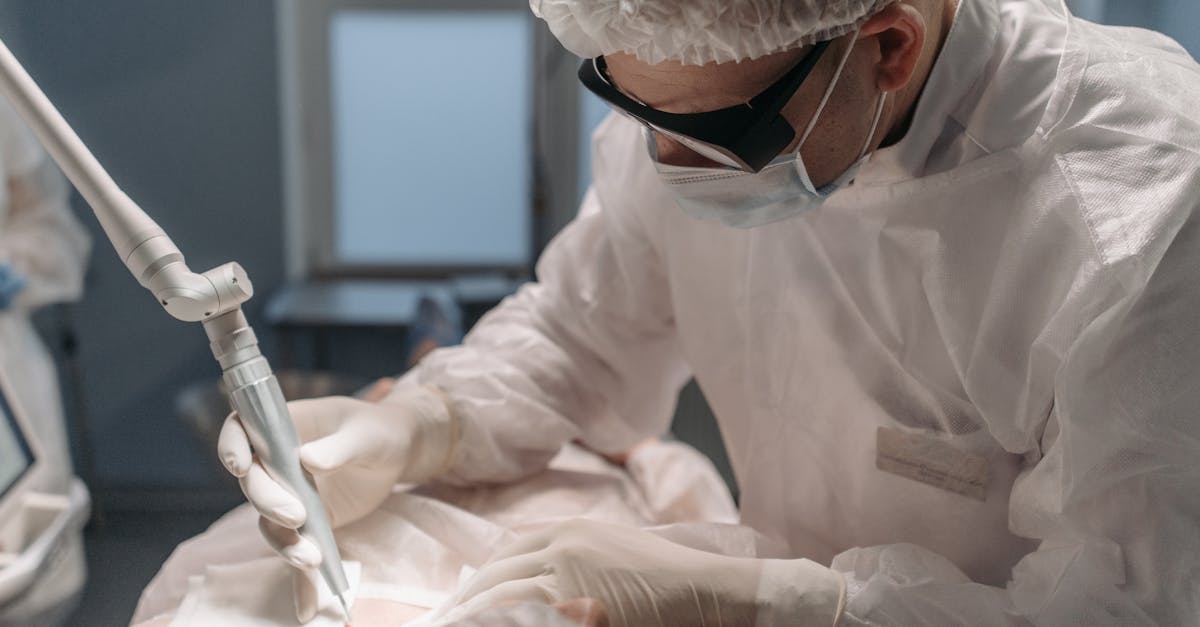
What is Minimally Invasive Surgery (MIS)?
Minimally invasive surgery is an umbrella term for various techniques that allow surgeons to perform complex procedures through tiny incisions, often no larger than a buttonhole. Instead of a single large opening, the surgeon uses specialized instruments and a high-definition camera (laparoscope) to view the internal organs on a monitor.
Common Types of MIS
There are several modalities of minimally invasive surgery used today:
- Laparoscopy: Most common in abdominal and gastrointestinal surgeries.
- Endoscopy: Using natural body openings to reach internal areas.
- Robotic-assisted Surgery: Utilizing robotic arms controlled by the surgeon for enhanced precision and 3D visualization.
Why Recovery is Different
In traditional open surgery, the surgeon often has to cut through significant layers of muscle and tissue to reach the target area. This causes substantial trauma to the body wall, leading to higher pain levels and a higher risk of wound infections.
In contrast, MIS involves minimal muscle disruption. Because the “entry trauma” is significantly reduced, patients experience less blood loss, lower inflammatory responses, and a dramatically faster return of bowel function. However, it is vital to remember that “minimally invasive” does not mean “minor surgery.” The internal work—such as removing a gallbladder or repairing a hernia—is the same as in open surgery.

The General Timeline: What to Expect Post-Surgery
While every patient is unique, most individuals following a minimally invasive procedure under the care of Dr. Ashutosh Soni follow a predictable recovery trajectory.
The First 24 Hours (The Hospital Phase)
Immediately after surgery, you will be monitored in the recovery room. The focus here is on managing anesthesia grogginess and ensuring your vitals are stable. Most MIS patients are encouraged to sit up or even take a few steps within hours of waking up. This early mobilization is key to preventing blood clots and lung complications.
Days 1 to 3 (The Transition)
During this phase, most patients transition from the hospital to their homes. You may feel “referred pain,” particularly in the shoulders. This is a common side effect of the carbon dioxide gas used to inflate the abdomen during laparoscopy. Walking and gentle movement are the best remedies for this discomfort.
Week 1 (The Healing Phase)
This is the time for “rested activity.” You should be mobile around the house but avoid any strenuous chores. Your focus will be on wound care and ensuring you are hydrating and eating light, easily digestible meals.
Weeks 2 to 4 (The Strengthening Phase)
By this point, the initial fatigue usually lifts. Most patients can return to desk jobs or light office work. You will still have restrictions on heavy lifting (usually nothing heavier than 5-10 kilograms), but your stamina for walking and daily errands will improve daily.
Month 1 and Beyond
Usually, after a follow-up visit with your surgeon, you will be cleared for full activity. This includes returning to the gym, swimming, and heavy lifting. The internal tissues are now strong enough to handle the intra-abdominal pressure of intense exercise.
| Procedure Type | Average Hospital Stay | Time to Return to Work | Full Recovery Period |
|---|---|---|---|
| Laparoscopic Cholecystectomy | 1 Day | 5 – 7 Days | 2 – 3 Weeks |
| Laparoscopic Hernia Repair | 1 Day | 7 Days | 3 – 4 Weeks |
| Laparoscopic Appendectomy | 1 Day | 5 – 7 Days | 2 Weeks |
| Traditional Open Surgery | 4 – 7 Days | 4 – 6 Weeks | 8 – 12 Weeks |
Factors That Influence Your Personal Recovery Speed
Recovery is not a “one size fits all” process. Several variables can accelerate or delay your journey back to 100% health.
Type of Procedure
A simple diagnostic laparoscopy, where the surgeon only looks inside, has a much faster recovery than a complex GI resection. The more “reconstruction” done internally (like suturing a hernia mesh or reconnecting bowel segments), the more time the body needs to stabilize those repairs.
Laparoscopic Surgeon in Indore: Dr. Ashutosh Soni, Advanced Minimally Invasive Surgery Care
Patient Age and General Health
A younger patient with no underlying issues will typically bounce back faster. However, older patients can also recover quickly with MIS, provided their chronic conditions, such as diabetes or hypertension, are well-managed. Dr. Ashutosh Soni emphasizes that “pre-habilitation” —optimizing your health before surgery—is just as important as post-operative care.
Lifestyle Factors
Smoking is the single greatest enemy of surgical recovery. It constricts blood vessels and reduces the oxygen reaching the wound site, significantly increasing the risk of infection and hernia recurrence. Similarly, poor nutrition can slow down the production of collagen needed to close incisions.
Adherence to Post-Op Instructions
Patients who follow their surgeon’s “fine print”—such as wearing abdominal binders if prescribed or sticking to a specific diet—almost always have fewer complications.
Specialized Insight: Recovery in Gastrointestinal (GI) Surgeries
When it comes to GI surgeries, the recovery involves more than just skin and muscle; it involves the “restarting” of the digestive system. Dr. Ashutosh Soni, a Senior Gastrointestinal surgeon, notes that the most critical milestone in GI recovery is the return of bowel motility.
In the first few days following gallbladder or hernia surgery, patients may experience changes in digestion. A temporary low-fat diet or high-fiber intake might be recommended to help the body adjust to the changes. Managing “internal” healing requires patience, as the digestive tract is sensitive to the trauma of surgery and the effects of anesthesia.
The “Indore Advantage”: Recovering Locally
For patients in Central India, the availability of advanced surgical care in Indore has revolutionized the recovery experience.
Access to World-Class Care
Indore has emerged as a medical hub, offering technology and expertise on par with major metros. Choosing a local expert like Dr. Ashutosh Soni means patients can undergo advanced MIS without the stress and physical toll of long-distance travel. Travel, especially by air or long car rides shortly after surgery, can increase the risk of Deep Vein Thrombosis (DVT).
Follow-up Logistics
Recovery doesn’t end when you leave the operating theater. It involves several follow-up visits to monitor wound healing and internal recovery. Recovering locally in Indore allows for seamless communication with your surgical team. If a patient has a question about a red mark or a strange sensation, they can visit the clinic easily rather than relying on a long-distance phone call.
Essential Post-Operative Care Tips
To maximize the benefits of minimally invasive surgery, you must be an active participant in your recovery.
Wound Care and Hygiene
Most MIS incisions are closed with absorbable sutures and covered with waterproof dressings or surgical glue. It is vital to keep the area clean and dry. Avoid soaking in bathtubs or swimming pools until your surgeon gives the green light. If a dressing becomes soaked with blood or fluid, it needs to be changed according to the instructions provided at discharge.
Best Hernia Doctor in Indore | Dr. Ashutosh Soni | Expert Hernia Surgery Care
Pain Management
Pain after MIS is usually manageable. While you might be prescribed stronger medication for the first 48 hours, most patients transition to over-the-counter pain relievers quickly. Dr. Soni advocates for “multimodal analgesia” , which combines different types of pain relief and movement to reduce the reliance on opioids, which can cause constipation and slow down GI recovery.
Nutrition for Healing
Your body needs fuel to repair itself. Focus on:
- Protein: Lean meats, beans, and dairy help repair tissue.
- Hydration: Water is essential for cellular function and preventing constipation.
- Vitamin C and Zinc: Found in citrus fruits and nuts, these are vital for wound strength.
Physical Activity Guidelines
The general rule is: “Listen to your body.” If an activity causes sharp pain or extreme exhaustion, stop. However, “rest” does not mean “bed rest.” Walking around your home every 2-3 hours during the day is the best way to ensure a fast recovery.
When to Call Your Surgeon Immediately
While complications in minimally invasive surgery are rare, especially with an experienced surgeon, you should be aware of “red flags.” Contact your surgical team immediately if you experience:
- Fever: A temperature over 101°F (38.3°C) can indicate an infection.
- Persistent Nausea/Vomiting: If you cannot keep fluids down after 24 hours.
- Wound Issues: Redness, warmth, or foul-smelling drainage from an incision.
- Calf Pain: Swelling or pain in one leg, which could indicate a blood clot (DVT).
- Shortness of Breath: Sudden difficulty breathing requires emergency attention.
Most clinics, including Dr. Ashutosh Soni’s practice, provide a 24-hour communication window or an emergency contact number to ensure patients never feel unsupported during their recovery.
Mental and Emotional Recovery
It is common to experience the “Post-Op Blues.” Surgery is a physiological stressor, and the combination of anesthesia, pain medication, and a temporary loss of independence can lead to feelings of frustration or mild depression.
Recognize that fatigue is the body’s way of saying it is busy healing. Setting realistic expectations—such as knowing you might need a nap in the afternoon for the first week—can prevent the psychological fatigue that comes from trying to do too much, too soon.
| Do’s During MIS Recovery | Don’ts During MIS Recovery |
|---|---|
| Walk frequently for short durations | Lift heavy objects (>5kg) for 4 weeks |
| Keep your incisions clean and dry | Drive until you are off narcotic pain meds |
| Eat small, frequent, high-protein meals | Smoke (it severely impairs healing) |
| Use a pillow to support your abdomen when coughing | Ignore signs of fever or redness |
| Follow your specific GI diet if prescribed | Push through sharp, stabbing pain |
Frequently Asked Questions (FAQs)
Q1: Can I shower immediately after minimally invasive surgery?
In most cases, yes, you can shower 24 to 48 hours after surgery. Most surgeons use waterproof dressings or skin glue. However, you should pat the area dry gently and avoid scrubbing the incisions.
Q2: When can I start driving again?
You should not drive until you are no longer taking prescription pain medications and you can comfortably perform an emergency stop (slamming on the brakes) without abdominal pain. For most MIS patients, this is between 5 to 10 days.
Q3: Is it normal to feel bloated after laparoscopic surgery?
Yes. The carbon dioxide used during surgery can cause bloating and “trapped gas” sensations. This usually dissipates within 3 to 4 days through movement and walking.
Q4: How soon can I return to the gym?
Light walking can start immediately. Stationary cycling or light treadmill walking can often begin after 2 weeks. However, heavy weightlifting or “core” exercises should be avoided for 4 to 6 weeks to prevent hernia formation at the incision sites.
Q5: Why is the recovery time so much shorter than open surgery?
Because MIS avoids the large disruption of the abdominal wall muscles. When muscles are cut (as in open surgery), they take a long time to regain their structural integrity. MIS preserves these muscles, allowing for faster mobility and less pain.
Conclusion
Minimally invasive surgery is a powerful tool that offers patients a faster, safer, and less painful path to health. However, it is important to remember that the “minimal” refers to the entry point, not the significance of the procedure itself. Your body still requires time, nutrition, and proper care to heal internally.
By following the guidance of an experienced specialist and respecting the recovery timeline, you can ensure that your surgical outcome is as successful as possible. Choosing an expert like Dr. Ashutosh Soni in Indore ensures that you are backed by years of surgical excellence and a commitment to patient-centered recovery.
If you are considering surgery or have questions about an upcoming procedure, the best step is to have an open conversation with your surgeon.